Modern households across the United Kingdom are rapidly shifting away from traditional aerial and satellite broadcasts. Instead, many viewers now favour digital delivery methods that utilise existing broadband connections to stream media directly to their television sets.
This technology, known as Internet Protocol Television, has fundamentally changed our viewing habits. By converting video signals into data packets, it allows for a more flexible and personalised entertainment experience.
UK streaming services have capitalised on this shift, offering vast libraries of on-demand content that cater to diverse tastes. Understanding this delivery mechanism helps you appreciate why digital platforms have become the preferred choice for millions of British homes today.
Key Takeaways
- Digital television delivery relies on your home broadband connection rather than traditional aerials.
- The technology transforms video content into data packets for seamless streaming across various devices.
- Viewers enjoy greater flexibility with on-demand programmes compared to scheduled broadcast television.
- Many popular UK streaming services now utilise this method to provide high-quality media access.
- Adopting this modern approach allows for a more personalised and interactive entertainment experience.
Defining the Core Concept: What is IPTV
At its heart, the concept of IPTV represents a fundamental shift in how video content reaches our living rooms. Many people often ask, what is IPTV, and how does it differ from the services they have used for decades? Essentially, it is a system where television services are delivered using the Internet Protocol suite over a packet-switched network, rather than through traditional radio frequency or satellite signals.

The Shift from Traditional Broadcasting
For generations, viewers relied on terrestrial aerials or satellite dishes to receive broadcast signals. This traditional model was limited by physical infrastructure and fixed scheduling. Today, internet television allows for a more dynamic experience, where data is transmitted in packets to your device on demand.
“The evolution of television is not just about the screen, but about the intelligence of the network delivering the story to the viewer.”
— Industry Analyst
Distinguishing IPTV from Standard Streaming Services
It is vital to understand the difference between IPTV and standard web-based streaming. While both use the internet, IPTV vs cable comparisons often highlight that IPTV typically runs on a managed, private network. This dedicated infrastructure ensures a higher quality of service and stability compared to the open, unpredictable nature of standard streaming platforms.
| Feature | Traditional Cable | IPTV |
|---|---|---|
| Delivery Method | Coaxial Cable | Managed IP Network |
| Signal Quality | Variable | High/Consistent |
| Interactivity | Limited | High |
| Infrastructure | Legacy Hardware | Modern Broadband |
The Technical Architecture Behind IPTV
The seamless experience of watching your favourite shows is made possible by a highly organised IPTV architecture. Unlike traditional broadcast methods, this system relies on a sophisticated digital framework to ensure that high-quality video reaches your home without any frustrating interruptions.
By leveraging the power of modern internet television, providers can manage vast amounts of data with incredible precision. This technical foundation is what allows for the interactive and on-demand features that viewers in the United Kingdom have come to expect.

How Data Packets Travel Across Networks
At the core of IPTV technology is the efficient movement of data packets across complex network infrastructures. When you select a programme, the video is broken down into small, manageable packets that travel across the internet to your device.
To maintain a smooth playback experience, these packets are often prioritised over general web traffic. This prioritisation ensures that your stream remains stable, even when other devices in your household are using the same connection.
The Role of Middleware and Content Delivery Networks
The success of this delivery process relies heavily on IPTV middleware, which acts as the central brain of the system. This software manages the communication between the user interface and the video servers, ensuring that your requests are processed instantly.
Furthermore, content delivery networks play a vital role by caching media assets on servers located closer to the end user. By reducing the physical distance data must travel, these networks significantly decrease latency and improve the overall quality of your viewing experience.
Key Components of an IPTV System
To appreciate how your favourite shows reach your screen, we must look at the essential building blocks of an IPTV system. A robust IPTV setup relies on a sophisticated IPTV architecture that ensures data moves smoothly from the broadcaster to your home. By coordinating these parts, providers can deliver high-quality content with minimal delay.

Video Head-Ends and Encoding Processes
The journey of your digital content begins at the video head-end. This is where raw signals from satellite, terrestrial, or cable feeds are received and processed. Encoding is the vital step here, as it converts these raw signals into compressed digital formats that are suitable for transmission over internet networks.
Without this compression, the data would be far too large to stream efficiently. Once encoded, the content is packaged into small data packets. These packets are then ready to be distributed across the network to reach end-users.
The Importance of Set-Top Boxes and Smart Devices
Once the data reaches your home, it needs to be translated back into a viewable format. This is where set-top boxes play a crucial role. These devices act as the bridge between the network and your television, decoding the incoming packets to display high-definition video.
Modern systems also rely heavily on IPTV middleware to manage the user experience. This software layer allows you to navigate menus, select programmes, and access on-demand libraries with ease. Whether you are using a dedicated box or a smart device, this interface ensures that your viewing experience remains intuitive and responsive.
Different Types of IPTV Services
The landscape of digital broadcasting is changing rapidly, providing more flexibility than ever before. Whether you prefer watching shows on your own schedule or catching live events, IPTV offers a tailored experience that fits your lifestyle perfectly.
Video on Demand Explained
Video on demand is perhaps the most popular feature for modern viewers. It allows you to access a vast library of content at your own convenience, rather than adhering to a fixed broadcast schedule.
You can browse through thousands of films and series, selecting exactly what you want to watch at any moment. This level of freedom is a significant upgrade from traditional linear television, where you are often at the mercy of the programme guide.
- Instant access to extensive content libraries.
- Ability to pause, stop, and resume playback.
- No need to worry about missing an episode.
Live Television Streaming and Time-Shifted Media
While on-demand content is great, many viewers still enjoy the excitement of live TV streaming. This service delivers real-time broadcasts directly to your device, ensuring you never miss major sporting events or breaking news.
To enhance this experience, time-shifted media allows you to interact with live broadcasts in ways that were previously impossible. You can easily pause a live match to grab a drink or rewind to catch a missed goal.
| Feature | Video on Demand | Live TV Streaming |
|---|---|---|
| Schedule | User-defined | Fixed broadcast |
| Control | Full playback | Time-shifting |
| Content | Archived library | Real-time events |
These features ensure that your television habits remain flexible and stress-free. By combining these services, you gain complete control over your home entertainment environment.
The Role of Internet Infrastructure in the UK
Modern digital entertainment relies on a robust network foundation to deliver seamless viewing across the United Kingdom. As households move away from traditional aerials and satellite dishes, the demand for reliable data transmission has reached an all-time high. A stable connection is now the most critical component of your home entertainment setup.
Fibre Broadband Requirements for High-Quality Streams
To enjoy a premium viewing experience, your home needs a connection that can handle significant data throughput. Fibre broadband is the gold standard for modern households, providing the consistent speeds necessary for demanding tasks. Without this infrastructure, you will likely struggle to maintain a stable connection during peak usage hours.
When you engage in 4K streaming, your device requires a constant and high-speed flow of data to prevent pixelation or sudden drops in resolution. Most service providers recommend a minimum download speed to ensure that high-definition content remains crisp and clear. Consider the following requirements for an optimal setup:
- A minimum of 25 Mbps for reliable 4K streaming quality.
- Full-fibre connections to minimise signal interference.
- A wired Ethernet connection for your primary media device to ensure stability.
Managing Bandwidth and Latency for Smooth Playback
Even with a fast connection, how your network manages data traffic significantly impacts your viewing pleasure. IPTV latency refers to the delay between the server sending the data and your screen displaying the image. High latency often results in buffering, which can be incredibly frustrating during live sports or time-sensitive broadcasts.
To combat these issues, providers often utilise content delivery networks to store media closer to your physical location. By reducing the distance data must travel, these networks effectively lower IPTV latency and improve overall responsiveness. You can further optimise your home environment by managing your local bandwidth effectively.
Avoid running heavy background downloads on other devices while you are watching your favourite programmes. If you experience persistent stuttering, check your router settings to prioritise media traffic over other data types. Utilising advanced content delivery networks ensures that your stream remains fluid, even when network traffic across the UK is high.
Benefits of Adopting IPTV Technology
Many households across the United Kingdom are now discovering why switching to digital delivery methods offers a superior viewing experience. By moving away from traditional broadcast signals, viewers can enjoy a more flexible and modern way to watch their favourite programmes. This shift toward IPTV technology is fundamentally changing how we interact with our home entertainment systems.
Enhanced Interactivity and User Control
One of the most significant advantages is the level of control provided to the end user. Unlike linear television, where you are bound by a rigid schedule, these systems allow you to dictate exactly when and how you watch content. You can pause, rewind, or restart live broadcasts with ease, ensuring that you never miss a crucial moment.
Furthermore, the personalisation features are truly impressive. Many platforms now offer intelligent recommendations based on your viewing habits, helping you discover new shows that match your interests. This high degree of interactivity creates a tailored experience that feels far more intuitive than older, static broadcasting methods.
Cost-Effectiveness Compared to Satellite Subscriptions
When evaluating the various IPTV benefits, the financial aspect is often a deciding factor for many families. Traditional satellite subscriptions frequently come with expensive hardware installation fees and long-term, restrictive contracts. In contrast, digital streaming services often operate on a more flexible, subscription-based model that avoids these heavy upfront costs.
Because these services utilise your existing broadband connection, you do not need to worry about installing unsightly dishes or complex cabling on your property. This streamlined approach not only saves money but also simplifies the setup process significantly. By choosing IPTV technology, you gain access to a vast library of content while keeping your monthly entertainment budget firmly under control.
Common Challenges and Technical Limitations
Achieving a seamless viewing experience involves knowing how to address common technical limitations effectively. Even with the most advanced infrastructure, users may occasionally encounter hurdles that disrupt their favourite programmes.
Buffering Issues and Network Congestion
One of the most frequent frustrations for viewers is buffering, which often occurs during peak evening hours. This happens when your local network or the service provider experiences high traffic, leading to increased IPTV latency.
To maintain a consistent connection, try connecting your device directly to your router using an Ethernet cable rather than relying on Wi-Fi. This simple step often reduces interference and stabilises your live TV streaming quality significantly.
If problems persist, consider restarting your router to clear the cache and refresh your connection. Ensuring that other bandwidth-heavy applications are not running in the background can also help keep your stream smooth and uninterrupted.
Security Concerns and Data Privacy
Protecting your personal information is essential when accessing digital media services. Robust IPTV security practices are necessary to prevent unauthorised access to your home network and sensitive data.
Always choose reputable, authorised service providers to ensure your connection remains secure and compliant with privacy standards. Avoid using unofficial apps or platforms that may expose your device to malware or data tracking risks.
Using a trusted virtual private network (VPN) can add an extra layer of protection for your IPTV security. By encrypting your traffic, you keep your viewing habits private and reduce the risk of potential cyber threats while enjoying your favourite content.
Legal Considerations for IPTV in the United Kingdom
When you choose to watch content online, knowing the rules behind UK streaming services is vital for your peace of mind. Navigating the digital landscape requires a basic understanding of how media distribution works within British borders. By staying informed, you ensure that your viewing habits remain both safe and fully compliant with local regulations.
Understanding Copyright and Licensing Laws
At the heart of digital media distribution lies the framework of IPTV licensing. Content creators and broadcasters hold exclusive rights to their material, which are protected by strict copyright laws. When a service provider distributes this content, they must obtain the necessary permissions to do so legally.
Using platforms that ignore these agreements can lead to significant issues for the end user. IPTV security is often compromised on unauthorised sites, as these platforms frequently lack the robust protections found in legitimate systems. Always prioritise services that clearly display their licensing credentials to avoid potential legal pitfalls.
Identifying Authorised Service Providers
Distinguishing between a legitimate provider and an illegal stream is easier than you might think. Authorised services typically offer transparent subscription models, professional customer support, and clear terms of service. If a deal seems too good to be true, it is often a sign that the provider is operating outside the law.
To maintain high standards of IPTV security, always check for official branding and verified payment gateways. Reliable UK streaming services will never ask you to bypass standard security protocols or use suspicious third-party software. Refer to the table below to help you identify the key differences between legal and illegal platforms.
| Feature | Authorised Service | Illegal Platform |
|---|---|---|
| Content Licensing | Fully Licensed | Unauthorised |
| Payment Security | Encrypted/Verified | High Risk |
| Customer Support | Available | Non-existent |
| Service Stability | High Reliability | Frequent Buffering |
Comparing IPTV with Traditional Cable and Satellite
The landscape of home entertainment has changed significantly, making the debate between IPTV vs cable more relevant than ever. While traditional broadcast methods have served households for decades, modern viewers are increasingly seeking more control over their viewing experience. Understanding the fundamental differences between these technologies is essential for any household looking to upgrade their media consumption.
Flexibility and Content Accessibility
One of the primary IPTV benefits is the sheer level of flexibility it offers compared to rigid satellite schedules. Traditional cable systems often force viewers to adhere to strict broadcast times, whereas internet-based services allow for a more personalised approach. You can access a vast library of content on demand, ensuring that your favourite programmes are available whenever you are ready to watch them.
Furthermore, the global reach of internet-delivered content means that viewers are no longer restricted by their geographical location or the limitations of a satellite dish. This freedom of choice allows for a more diverse range of international channels and niche content. As long as you remain within the bounds of IPTV legal guidelines, the accessibility provided by these platforms is truly transformative for the modern viewer.
Hardware Requirements and Installation Differences
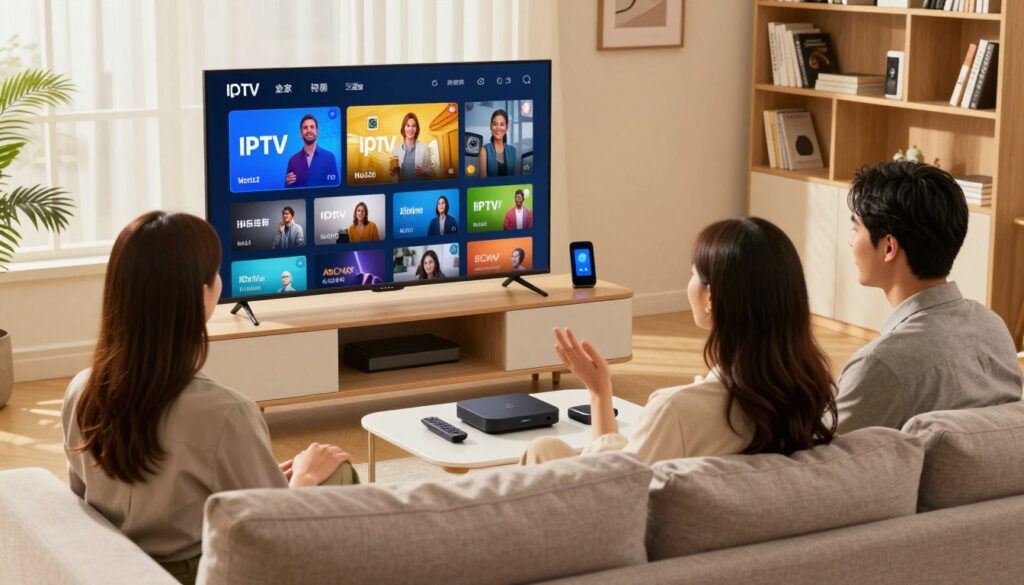
Transitioning to a new system often brings questions about the necessary equipment. A standard IPTV setup is generally less intrusive than installing a satellite dish on your roof. Most modern services rely on compact set-top boxes or even integrated apps on your smart television, which simplifies the process significantly.
To ensure a high-quality viewing experience, a stable fibre broadband connection is highly recommended. Unlike traditional cable, which requires dedicated coaxial wiring throughout your home, IPTV leverages your existing internet infrastructure. This makes the installation process much cleaner and more efficient for the average user.
| Feature | Traditional Cable/Satellite | IPTV |
|---|---|---|
| Delivery Method | Coaxial or Satellite Dish | Fibre Broadband |
| Hardware | Proprietary Receivers | Set-top boxes or Smart Apps |
| Content Access | Linear Scheduling | On-Demand & Live |
Ultimately, the choice between these systems depends on your specific needs and the quality of your local network. While traditional providers offer reliability, the IPTV benefits regarding convenience and hardware simplicity are difficult to ignore. By utilising a robust fibre broadband connection, you can enjoy a seamless transition to a more modern way of watching television.
Future Trends in Television Distribution
The next decade promises to revolutionise the way British households interact with their favourite programmes. As technology advances, the IPTV future looks increasingly intuitive and visually stunning for viewers across the United Kingdom.
The Integration of Artificial Intelligence in Content Discovery
Artificial intelligence is rapidly becoming the backbone of modern media platforms. By analysing viewing habits, AI algorithms can now suggest content that aligns perfectly with individual tastes.
This shift means that video on demand services will no longer rely on generic categories. Instead, your interface will curate a unique library of shows, ensuring you spend less time searching and more time enjoying high-quality entertainment.
Advancements in 4K and 8K Streaming Capabilities
Visual fidelity is reaching new heights as network infrastructure improves across the country. We are moving beyond standard high definition into an era where 4K streaming is the baseline expectation for premium services.
Looking further ahead, 8K resolution promises to deliver an unparalleled level of detail for home cinema enthusiasts. While these formats require significant bandwidth, the ongoing rollout of full-fibre broadband ensures that such high-quality streams remain stable and reliable.
| Feature | Standard HD | 4K Streaming | 8K Future |
|---|---|---|---|
| Resolution | 1080p | 2160p | 4320p |
| Bandwidth Need | Low | Moderate | High |
| Visual Detail | Basic | Sharp | Ultra-Realistic |
| Hardware | Legacy | Modern | Next-Gen |
Conclusion
Television viewing habits across the United Kingdom are changing at a rapid pace. Digital platforms now offer viewers more control over their daily entertainment schedules than ever before.
The IPTV future looks bright as high-speed fibre networks become standard in homes across the country. This shift allows for higher resolution content and smoother playback for every user.
Staying informed about IPTV licensing remains vital for a secure and legal viewing experience. Choosing authorised service providers protects your data and supports the creators behind your favourite shows.
You hold the power to curate a personalised media library that fits your lifestyle. Keep an eye on emerging trends to ensure your home setup remains at the cutting edge of technology.
Explore the options available today to transform how you watch television. Your journey into a more flexible and interactive world of media starts with these simple steps.
FAQ
What exactly is IPTV and how is it changing television in the UK?
Internet Protocol Television (IPTV) is a modern method of delivering media content over your existing broadband connection rather than through traditional terrestrial or satellite signals. In the UK, it has revolutionised the viewing experience by allowing households to access high-quality streams via providers like Sky Glass or BT TV, moving away from the need for a physical satellite dish or rooftop aerial.
How does IPTV differ from standard streaming services like Netflix?
While services like Netflix and Disney+ are considered Over-the-Top (OTT) streaming that runs on the “open” internet, true IPTV often operates on a managed, dedicated network provided by an ISP (Internet Service Provider). This distinction is crucial because a managed network prioritises video data, leading to a much more stable and reliable viewing experience compared to the standard public internet.
What technical infrastructure is required to make IPTV work seamlessly?
The system relies on a complex technical architecture where video content is broken down into data packets. These packets travel across Content Delivery Networks (CDNs) and are managed by middleware—the software that acts as the interface between the user and the service. This ensures that when you press play on a service like BBC iPlayer, the data reaches your device in the correct order without packet loss.
Do I need specific hardware, such as a set-top box, to use IPTV?
While many modern Smart TVs have built-in support for IPTV apps, many users prefer dedicated hardware for a smoother experience. Popular devices include the Amazon Fire TV Stick, Nvidia Shield, and Apple TV. These devices, along with traditional set-top boxes, handle the encoding and decoding processes required to turn digital signals into the crisp images you see on screen.
What are the different types of IPTV services available to me?
IPTV services generally fall into three categories: Video on Demand (VOD), which allows you to watch a library of content at your leisure; Live Television, such as watching Sky Sports in real-time; and Time-shifted media, which includes “catch-up” services and the ability to pause or rewind live broadcasts.
What kind of internet connection is necessary for a buffer-free experience?
To enjoy high-definition and 4K streaming without interruption, a robust fibre broadband connection is highly recommended. Providers like Virgin Media and Openreach-based networks (such as TalkTalk or Sky) offer the necessary bandwidth to handle high data demands while minimising latency, which is the delay that can cause annoying lags during live broadcasts.
Is IPTV more cost-effective than a traditional satellite subscription?
Generally, yes. Many UK consumers find that IPTV-based services like NOW (formerly NOW TV) or Discovery+ offer more flexible, contract-free options compared to expensive, long-term satellite contracts. This cost-effectiveness, combined with enhanced interactivity, makes it a very attractive alternative for the modern household.
What should I do if I encounter buffering or network congestion?
Buffering is often caused by a drop in bandwidth or high network congestion during peak hours (like a major Premier League match). You can often resolve this by using an Ethernet cable for a direct connection to your router instead of relying on Wi-Fi, or by ensuring your ISP is not “throttling” your connection during heavy usage periods.
Is using IPTV legal in the United Kingdom?
Yes, IPTV is perfectly legal provided you are using authorised service providers. Well-known legal platforms include ITVX, Channel 4, and Prime Video. However, it is essential to avoid “pirated” services that offer premium channels for suspiciously low prices, as these violate copyright and licensing laws and may expose your data to security risks.
How does the installation of IPTV compare to traditional cable or satellite?
The installation of IPTV is significantly simpler. Unlike Sky Q, which may require an engineer to install a dish and run cables through your walls, IPTV is largely “plug and play.” As long as you have a stable internet connection and a compatible device like a Google Chromecast, you can be up and running in minutes without any specialist tools.
What future trends can we expect in the world of television distribution?
The industry is moving towards even greater integration of Artificial Intelligence (AI) to offer personalised content discovery. We are also seeing rapid advancements in 8K streaming capabilities. As UK infrastructure continues to improve, the gap between traditional broadcasting and internet-based delivery will disappear, making IPTV the definitive standard for home entertainment.