Understanding the core differences between these delivery systems is essential for any viewer. We aim to help you navigate these options to find the perfect setup for your living room. Making an informed decision ensures you get the best value for your monthly subscription costs.
This guide provides a friendly overview of the pros and cons associated with each major service. By weighing these factors, you can enjoy a seamless viewing experience tailored to your specific needs.
Key Takeaways
- Traditional broadcast services offer reliable signals for live sports and news.
- Digital alternatives provide greater flexibility for on-demand content consumption.
- Monthly costs vary significantly depending on your chosen provider and package.
- Hardware requirements differ between legacy boxes and modern internet-based streaming devices.
- Future-proofing your home setup requires balancing stability with modern feature sets.
The Evolution of Television Consumption in the United Kingdom
The way we watch television in the UK has changed dramatically over the last decade. As UK home entertainment continues to modernise, the traditional habits of the past are being replaced by more flexible, personalised viewing experiences. This shift is fundamentally altering the UK television landscape for millions of households.

Shifting from Traditional Broadcast to Digital Streaming
For generations, broadcast television served as the primary source of news and entertainment. However, the rise of digital streaming services has empowered viewers to take control of their own schedules. This transition is largely driven by cord-cutting trends, as families move away from rigid subscription packages in favour of on-demand content.
“The future of television is not just about what we watch, but how we choose to engage with content on our own terms.”
The Current State of UK Infrastructure and Broadband Speeds
This digital revolution would not be possible without significant improvements to our broadband infrastructure. The widespread rollout of full-fibre networks across the country now provides the high-speed connectivity required for high-definition streaming. These technical advancements ensure that households can enjoy seamless playback without the interruptions that once plagued older systems.
Furthermore, digital broadcasting regulations are evolving to keep pace with these technological leaps. Policymakers are working to ensure that the market remains competitive while protecting consumer interests in an increasingly online world. As connectivity improves, the reliance on traditional cable infrastructure continues to diminish in favour of modern, internet-based solutions.
Understanding the Mechanics of IPTV and Cable TV
Behind every clear picture on your screen lies a complex network of cables or data packets. While many viewers simply enjoy their favourite programmes, the underlying technology of IPTV and Cable TV differs significantly in how it handles broadcast television signals.

How Cable TV Delivers Content via Coaxial Networks
Traditional cable services rely on coaxial cable networks to transmit data directly to your home. These networks use a dedicated path, which ensures that the signal remains isolated from general internet traffic.
Because the bandwidth is reserved specifically for television services, the connection is often very stable. This physical infrastructure has been the backbone of home entertainment for decades, providing a consistent experience for millions of households.
The Technical Framework of IPTV Services
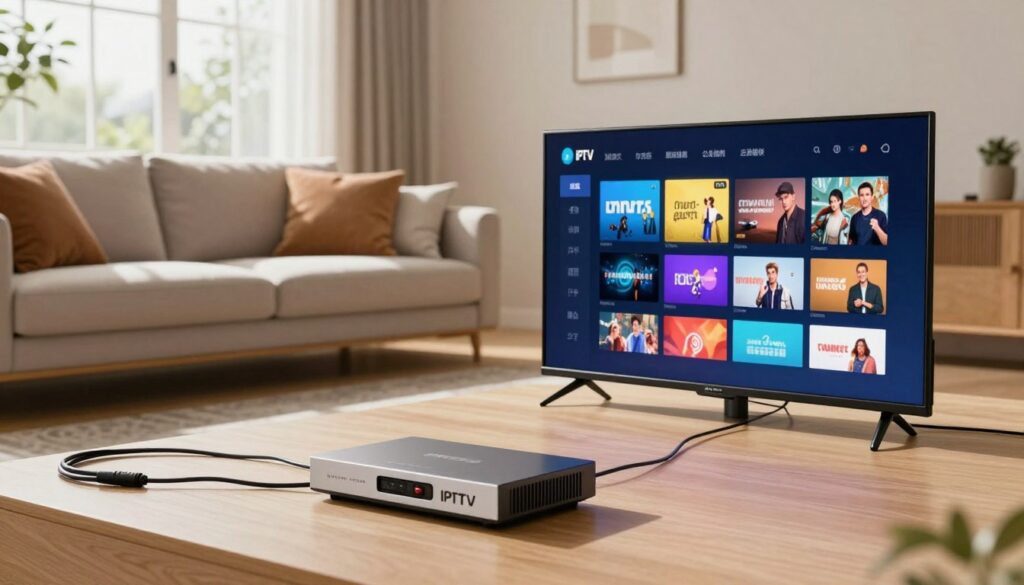
In contrast, internet protocol television operates by sending content as data packets over your existing broadband infrastructure. Instead of a dedicated cable, your television service shares the same connection as your computer and mobile devices.
This method requires a high-speed connection to ensure that data packets arrive in the correct order without delay. As more homes adopt this technology, the efficiency of data delivery continues to improve through advanced compression techniques.
Key Differences in Signal Transmission and Reliability
The primary distinction lies in how each system manages signal reliability during peak usage times. While cable maintains a private lane, internet-based services are subject to the fluctuations of your local network traffic.
However, the rapid pace of fibre optic expansion is closing this gap by providing massive bandwidth capacity to residential areas. Furthermore, the integration of 5G connectivity is beginning to offer wireless alternatives that rival traditional wired connections in speed and stability.
| Feature | Cable TV | IPTV |
|---|---|---|
| Transmission Medium | Coaxial Cable | Broadband/Fibre |
| Bandwidth Type | Dedicated | Shared |
| Signal Source | Broadcast Network | Internet Protocol |
| Primary Strength | High Stability | High Flexibility |
A Comprehensive Comparison of IPTV and Cable TV
When comparing IPTV and Cable TV, the differences in cost and usability become quite clear for the average UK household. Making the right choice depends on how you balance your monthly budget with the features you value most in your home entertainment setup.

Analysing Cost Structures and Subscription Models
Understanding TV subscription costs is essential before committing to a long-term contract. Traditional cable providers often bundle services, which can lead to higher monthly bills if you pay for channels you rarely watch.
In contrast, many modern services offer more flexible, tiered pricing models. This allows you to pay only for the content packages that truly interest your family, potentially saving money over the course of a year.
Content Variety and Exclusive Channel Access
The landscape of streaming content variety has expanded significantly, offering viewers access to global libraries that were previously unavailable. While cable often relies on scheduled broadcasts, modern platforms excel at providing on-demand viewing options.
Exclusive access remains a strong selling point for traditional providers, particularly for live sports and major national events. However, the gap is closing as digital platforms secure more rights to premium content and live broadcasts.
User Interface and Ease of Navigation
A smooth TV user interface is the difference between a frustrating experience and a seamless evening of entertainment. Modern platforms typically prioritise intuitive menus that allow you to find your favourite shows with just a few clicks.
Cable systems have also evolved, incorporating smart features to keep up with the competition. Ultimately, the best system is one that feels natural to use and helps you spend less time searching and more time watching.
The Advantages of Choosing Cable TV in 2026
If you prioritise a stable viewing experience, cable television is a compelling option to consider. While digital trends shift, traditional services continue to offer unique benefits for the modern viewer. Many households in the United Kingdom still find that these systems provide the most consistent performance for their daily entertainment needs.
Unmatched Signal Stability and Dedicated Bandwidth
The primary strength of this technology lies in its use of coaxial cable networks. Unlike services that rely entirely on shared data paths, cable providers often allocate dedicated bandwidth to your home. This architecture ensures superior TV signal stability, which is essential for high-definition broadcasting.
By maintaining a private connection, you avoid the common fluctuations found in purely digital setups. This signal reliability allows for a seamless viewing experience without the constant worry of image degradation. It remains a preferred choice for families who demand high-quality picture performance at all times.
Simplified Bundling with Broadband and Landline Services
Managing household utilities can often feel like a chore, but cable providers simplify this process significantly. Most companies offer comprehensive packages that combine television, broadband, and landline services into one single, manageable bill. This convenience reduces administrative stress and often leads to better overall pricing for the consumer.
Bundling your services ensures that your home infrastructure is managed by a single provider. If an issue arises, you only need to contact one support team to resolve it. This streamlined approach is highly valued by busy households looking to save both time and money.
Reliability During Peak Internet Traffic Periods
Even with the rapid fibre optic expansion across the UK, internet-based streaming can still suffer during busy evening hours. When network congestion hits, streaming services may experience buffering or reduced resolution. Cable television, however, operates independently of your home internet traffic, ensuring your favourite shows remain uninterrupted.
While 5G connectivity continues to improve mobile data speeds, it cannot yet match the consistent delivery of a hardwired cable line. You can enjoy your evening entertainment without competing for bandwidth against other devices in your home. This independence is a major factor for those who refuse to compromise on quality.
When setting up your home, keep in mind the specific television hardware requirements. You will typically need a dedicated set-top box and a direct connection to the wall outlet to ensure the best possible performance. These components are designed to work in harmony with the provider’s network to deliver a premium experience.
| Feature | Cable TV | Streaming Services |
|---|---|---|
| Signal Source | Dedicated Coaxial | Shared Internet |
| Peak Hour Performance | Excellent | Variable |
| Billing Structure | Bundled | Individual |
| Hardware Needed | Set-top Box | Smart TV/App |
The Benefits of Modern IPTV Solutions
The landscape of home entertainment is changing rapidly thanks to the rise of digital streaming services. Consumers across the United Kingdom now expect a viewing experience that adapts to their busy lifestyles rather than dictating when they must sit in front of the screen.
Flexibility and On-Demand Viewing Capabilities
At the heart of internet protocol television is the ability to watch what you want, exactly when you want it. This shift towards on-demand viewing removes the frustration of missing a scheduled broadcast.
Users can pause, rewind, or restart programmes with a simple click. This level of control ensures that your streaming content variety is always accessible, whether you are catching up on the morning news or binge-watching a weekend drama series.
Multi-Device Support and Portability Across the Home
Modern solutions are no longer tethered to a single set-top box in the living room. You can now enjoy your favourite content on tablets, smartphones, and laptops throughout your home.
This seamless portability means that your entertainment follows you from the kitchen to the bedroom. By using a unified account, you can start a film on your main television and finish it on a mobile device without losing your place.
Integration with Smart Home Ecosystems and Apps
The modern TV user interface is designed to work in harmony with your other connected devices. Through smart home integration, you can control your viewing experience using voice commands or automated routines.
Many platforms now allow you to manage your lighting or sound systems directly through the television interface. This creates a truly immersive environment that simplifies how you interact with your home technology.
| Feature | Traditional Cable | Modern IPTV |
|---|---|---|
| Viewing Control | Scheduled Broadcast | On-Demand Access |
| Device Usage | Single TV Screen | Multi-Device Support |
| Smart Features | Limited Connectivity | Full Ecosystem Integration |
| User Interface | Static Grid | Dynamic/Personalised |
Analysing the Drawbacks of Traditional Cable Services
Understanding the limitations of cable services is essential for anyone looking to make an informed decision about their home entertainment. While these services have provided reliable viewing for decades, the modern landscape is changing rapidly. Many households now find that the traditional model no longer aligns with their personal needs or budget.
High Installation Costs and Hardware Requirements
One of the primary hurdles for new customers involves the upfront TV subscription costs. Providers often charge significant fees for professional installation, which can be a deterrent for those on a tight budget. Furthermore, users are frequently tied to specific television hardware requirements, such as proprietary set-top boxes or digital recorders.
These devices are often bulky and require a direct connection to the wall outlet. This setup process can be intrusive, often requiring a technician to visit your home to ensure everything is configured correctly. For many, this level of complexity is simply unnecessary in an era of plug-and-play streaming devices.
Limited Flexibility for Cord-Cutters
The rise of cord-cutting trends has highlighted the rigidity of traditional cable contracts. Most providers require customers to sign long-term agreements, often lasting 18 to 24 months. This lack of flexibility makes it difficult for viewers to switch services or pause their subscriptions when their circumstances change.
Unlike modern streaming platforms that operate on a month-to-month basis, cable packages often bundle unwanted channels to inflate the price. This all-or-nothing approach forces consumers to pay for content they never watch. Consequently, many people feel trapped by their existing service agreements.
Geographical Restrictions and Infrastructure Limitations
Access to traditional television is heavily dependent on the physical reach of coaxial cable networks. In many rural or remote parts of the United Kingdom, this infrastructure is either outdated or completely unavailable. Residents in these areas are often left with fewer choices for high-quality broadcast television.
Even in urban centres, the age of the local network can impact the quality of the signal received. If the underlying cables are damaged or poorly maintained, subscribers may experience frequent service interruptions. These infrastructure limitations serve as a stark reminder that physical connectivity is not always as universal as digital alternatives.
Common Challenges Faced by IPTV Users
While modern digital streaming services offer incredible convenience, they are not without their own set of hurdles. Many viewers find that their experience depends heavily on the quality of their home network setup. Understanding these potential obstacles is the first step toward achieving a seamless viewing experience.
Dependency on High-Speed Broadband Quality
The primary requirement for a stable internet protocol television experience is a robust and consistent broadband connection. Unlike traditional broadcast methods, your stream relies entirely on data packets travelling through your router. If your connection speed fluctuates, you will likely notice a drop in picture quality or unexpected interruptions.
To maintain high TV signal stability, it is often recommended to use a wired Ethernet connection rather than relying solely on Wi-Fi. This simple change can significantly reduce interference from other household devices. Ensuring your hardware meets the necessary specifications is also vital for smooth playback.
Buffering Issues and Network Congestion
Buffering is perhaps the most frustrating issue for any viewer. It typically occurs when your internet speed cannot keep up with the data demands of high-definition content. During peak evening hours, network congestion across your local area can further exacerbate these performance dips.
You can mitigate these issues by following a few practical steps:
- Perform regular speed tests to ensure you are receiving the bandwidth promised by your provider.
- Limit the number of devices streaming simultaneously on your network.
- Optimise your TV user interface settings to adjust streaming quality if your connection is struggling.
Security Concerns and the Rise of Unauthorised Services
The popularity of streaming has unfortunately led to an increase in unauthorised services that promise cheap access to premium content. These platforms often lack the signal reliability of legitimate providers and pose significant security risks. Engaging with such services can expose your personal data and financial information to malicious actors.
Always prioritise official, licensed platforms to protect your digital privacy. Legitimate services invest heavily in encryption and secure infrastructure, ensuring that your viewing habits remain private. By choosing reputable providers, you avoid the hidden dangers associated with pirated content and ensure a safer, more reliable entertainment environment.
Future Trends Shaping the UK Television Landscape
The future of television in the UK is being shaped by a blend of high-speed connectivity and evolving viewer habits. As the UK television landscape continues to mature, the underlying broadband infrastructure is becoming the backbone of all home entertainment.
The Role of 5G and Fibre Optic Expansion
The rapid rollout of fibre optic expansion across the United Kingdom is providing the necessary bandwidth for high-definition streaming. This upgrade ensures that households can enjoy seamless media consumption without the limitations of older copper-based networks.
Furthermore, the integration of 5G connectivity is set to revolutionise mobile and home viewing. By providing high-speed wireless access, 5G allows users to stream content in areas where traditional wired connections might be unavailable or slow.
Hybrid Models Combining Linear and On-Demand Content
Modern viewers are increasingly moving toward hybrid models that merge traditional broadcast television with the flexibility of digital platforms. This shift allows families to enjoy live events while maintaining access to a vast streaming content variety.
These hybrid services offer the best of both worlds by providing on-demand viewing alongside scheduled programming. This approach ensures that viewers never miss their favourite shows while still having the freedom to watch content at their own pace.
The Impact of Regulatory Changes on Digital Broadcasting
As the market evolves, digital broadcasting regulations are being updated to ensure fair competition between traditional providers and new streaming services. These rules aim to protect consumer interests while encouraging innovation in the digital space.
These policy shifts are also responding to ongoing cord-cutting trends, as more households move away from legacy cable packages. By fostering a balanced environment, regulators hope to maintain a diverse and healthy media ecosystem for all British citizens.
Conclusion
Deciding between IPTV and cable TV in 2026 requires a clear look at your personal habits. You must weigh the benefits of traditional reliability against the modern perks of digital streaming.
Your choice impacts your monthly TV subscription costs and the overall quality of your UK home entertainment setup. Cable remains a top choice for those who prioritise consistent TV signal stability above all else. It offers a dependable link that does not falter during peak internet usage hours.
IPTV shines for viewers who want smart home integration and a flexible, on-demand lifestyle. This technology fits perfectly into a modern household that relies on high-speed fibre connections. You gain access to a vast library of content that adapts to your schedule rather than a fixed broadcast timetable.
The evolving UK television landscape continues to change as new digital broadcasting regulations take effect. These rules aim to protect consumers while encouraging innovation across all service providers. Keep an eye on these updates to ensure your chosen platform remains compliant and efficient.
Take a moment to review your current viewing patterns before committing to a long-term contract. The right service provider will offer a balance of value and performance that suits your household needs. Enjoy the freedom of choice as you curate your perfect media environment.
FAQ
What is the primary technical difference between IPTV and traditional cable TV?
The main difference lies in how the signal reaches your home. Cable TV uses a dedicated coaxial network to deliver content, ensuring a constant path for the broadcast signal. In contrast, IPTV (Internet Protocol Television) uses a packet-switched framework, delivering data over the same broadband infrastructure you use for browsing the web and checking emails.
Why should I consider cable TV if streaming is so popular in 2026?
Cable TV remains a fantastic choice for those who prioritise signal stability. Because it uses dedicated bandwidth, your picture quality won’t drop during peak internet traffic periods when the rest of the street is online. It is also highly convenient for bundling services, allowing you to combine your television, landline, and BT or Virgin Media broadband into one monthly bill.
How has fibre optic expansion improved the IPTV experience in the UK?
The rapid fibre optic expansion led by providers like Openreach has significantly boosted broadband speeds across the country. This improved UK infrastructure means that IPTV services can now deliver high-definition and 4K content with much less risk of buffering issues or network congestion, making it a viable alternative to traditional broadcasting.
Can I use IPTV services on more than one device?
Yes, one of the greatest benefits of modern IPTV is its multi-device support. Unlike traditional cable which often requires specific television hardware requirements and extra boxes for every room, IPTV allows for seamless portability. You can watch your favourite Netflix or Disney+ programmes on a tablet, smartphone, or via smart home ecosystems like Amazon Echo Show anywhere in your house.
What are the main drawbacks of sticking with a traditional cable provider?
While reliable, cable often involves high installation costs and can be restrictive for those following cord-cutting trends. You may find yourself locked into long-term contracts with geographical restrictions depending on whether Virgin Media or other physical networks have reached your street. Additionally, the hardware can be less flexible compared to the app-based nature of digital streaming.
Are there any security risks I should be aware of with IPTV?
It is important to be cautious of the rise of unauthorised services. While legitimate platforms provide a secure experience, some third-party providers may compromise your data or offer unstable streams. Always ensure you are using official apps to avoid security concerns and to remain compliant with the latest digital broadcasting regulations set out by Ofcom.
What is a hybrid model in the context of UK television?
A hybrid model combines the best of both worlds by integrating linear broadcast television with on-demand viewing capabilities. Many modern set-top boxes from providers like Sky now use this approach, using a satellite or cable feed for live channels while utilising your internet connection for catch-up services and third-party apps.
How will 5G connectivity impact my home entertainment?
5G connectivity is set to revolutionise how we consume media, especially in areas where traditional broadband infrastructure is limited. It provides a high-speed, wireless alternative that can support IPTV services without the need for physical cables, offering more choice for households looking to escape traditional subscription models.